

If you’ve ever finished an exterior project and had leftover paint sitting in the garage, you may have wondered, “Can I use exterior paint inside?” It’s a common question, especially for homeowners trying to save time or avoid buying new materials. While it might seem harmless, using the wrong paint indoors can lead to health concerns, lingering odors, and a finish that doesn’t perform as expected.
At Bright Side Painting, we see these situations often, but choosing the right paint is not guesswork. Knowing which products are safe, durable, and appropriate for each space is one of the biggest reasons homeowners trust professionals to handle their painting projects.
What’s the Difference Between Interior and Exterior Paint?
Interior and exterior paints are engineered for very different environments. Exterior paint is designed to withstand sun exposure, moisture, temperature changes, and mildew. To handle those conditions, it contains stronger binders and additives that help it remain flexible in outdoor conditions.
Interior paint is formulated for enclosed spaces with limited air circulation. These products focus on lower odor, improved indoor air quality, and finishes that clean easily without trapping dirt. While exterior paint is formulated for outdoor conditions, those same ingredients make it a poor fit for indoor use.
Why Exterior Paint Can Be Unsafe Indoors
One of the biggest risks of using exterior paint indoors is its impact on indoor air quality. Exterior paints often contain higher levels of volatile organic compounds, or VOCs, which can continue releasing fumes long after the paint dries.
In indoor spaces, these fumes have nowhere to escape. This can cause headaches, irritation, or breathing discomfort, particularly for children, pets, or anyone with allergies. Exterior paint may also remain slightly tacky indoors, attracting dust and grime and leading to premature wear.
Can You Use Exterior Paint Inside? Common Myths Debunked
Homeowners often make paint decisions based on assumptions that do not hold up in real-world conditions. These misconceptions are exactly why paint selection should be based on knowledge, not convenience.
“Exterior paint lasts longer everywhere.”
Exterior paint is durable outdoors, but that does not translate to better performance indoors.
“Once it dries, it’s safe.”
Some exterior paints continue to off-gas VOCs well after drying.
“It’s fine for small spaces or one wall.”
Even limited use can affect indoor air quality and comfort.
Why Paint Selection Is Best Left to Professionals
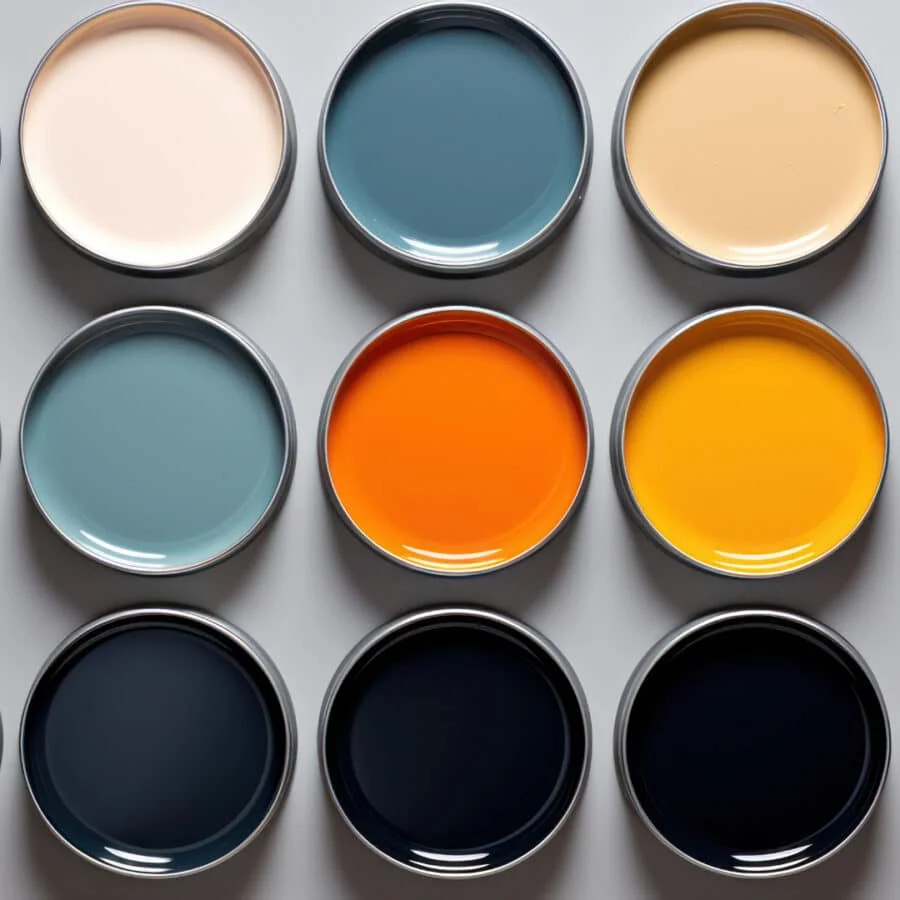
Choosing paint involves more than color preference. The wrong product can lead to poor performance, safety concerns, and the need for repainting sooner than planned. This is where professional experience matters.
At Bright Side Painting, we evaluate each room, surface, and living environment before recommending a product. We understand how different binders, additives, and VOC levels perform over time and how they affect indoor comfort. Our team selects paints specifically designed for interior spaces, ensuring a finish that looks great and performs as it should.
Trust Bright Side Painting to Get It Right
While it may seem easy to repurpose exterior paint indoors, the risks often outweigh the convenience. Proper paint selection protects your home, your health, and your investment.
When you work with Bright Side Painting, you can feel confident knowing every product used in your home is chosen with purpose and applied with care. Contact us today to schedule a consultation and let our team handle your painting project from start to finish.