
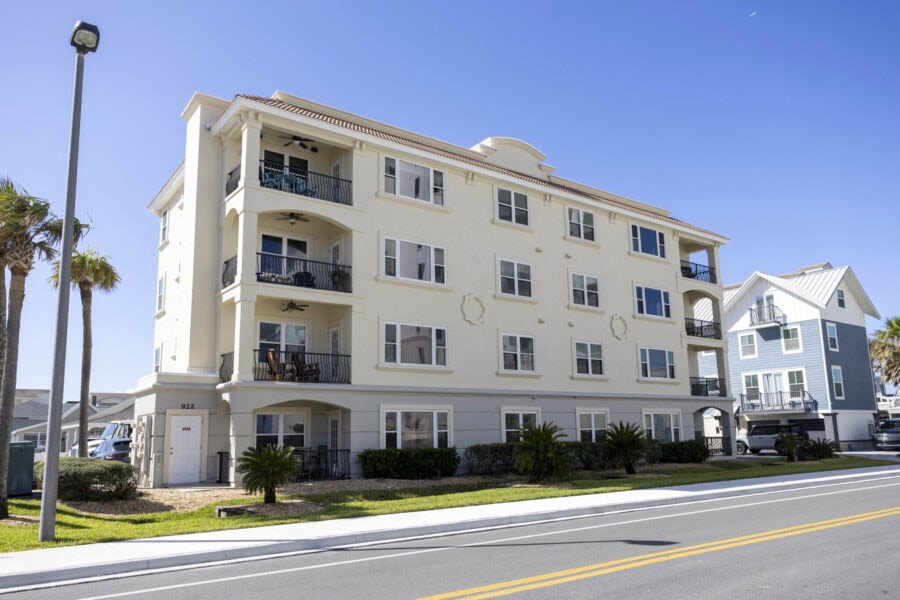
Elastomeric coatings can help protect these surfaces by flexing as they expand and contract, bridging minor cracks and reducing moisture intrusion. At Bright Side Painting, we often recommend them for properties with cracking stucco, aging masonry, or exterior walls exposed to coastal or extreme weather conditions. We created this guide to help you understand what elastomeric paint is and how it can help your building.
What Is Elastomeric Paint, Exactly?
Elastomeric paint is a thick, rubberized acrylic coating designed to stretch and flex along with the surface it is applied to. The name comes from “elastomer,” a material with elastic properties, and that flexibility is the defining feature that sets it apart from standard paint. That added thickness serves a purpose. It gives the coating enough body to move without cracking, unlike conventional paint, which sits rigidly on the surface.
Where Is It Used?
Elastomeric paint is most commonly used on:
- Stucco
- Masonry
- Concrete block
- EIFS (exterior insulation and finish systems)
If your stucco already has cracking or damage, painting over it with any product, elastomeric or not, is not a real fix. Proper repair has to happen first. Our team handles stucco repair services as part of the same project, so cracks and damage get addressed before any coating goes on.
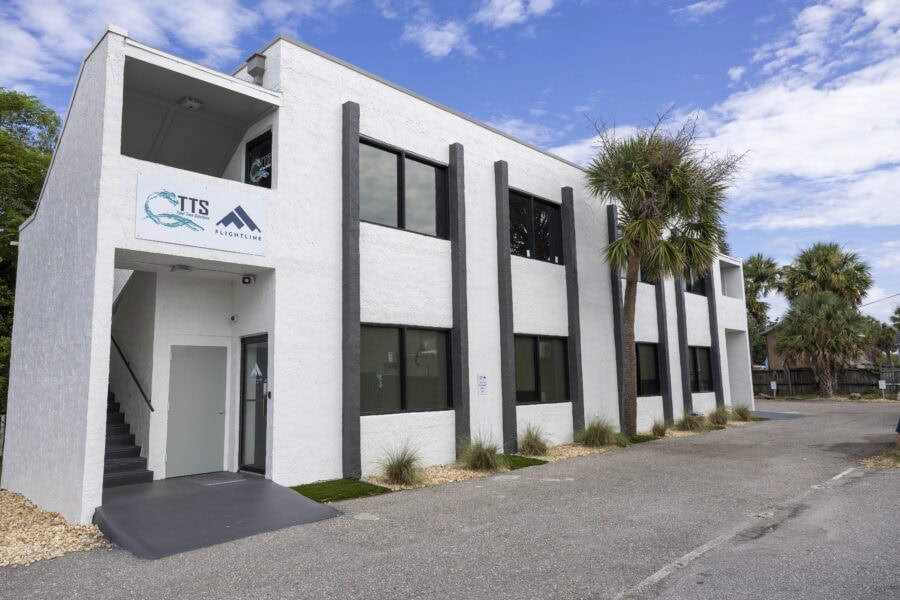
Benefits of Elastomeric Paint
For commercial property owners and managers, elastomeric coatings offer several practical advantages:
- Crack-Bridging Flexibility: Minor surface movement does not immediately turn into visible cracking, since the coating flexes along with the substrate instead of splitting.
- Waterproofing and Moisture Resistance: A sealed, flexible membrane helps protect the building envelope from wind-driven rain and humidity, both of which are constant factors in Northeast Florida.
- Longer Service Life: Thanks to the thicker film and elastic properties, elastomeric coatings typically outlast standard acrylic paint under the same conditions.
- UV and Fade Resistance: Florida’s intense, year-round sun breaks down ordinary paint faster than the sun does in most other climates.
- Lower Long-Term Maintenance Costs: Fewer repaint and repair cycles mean less money spent maintaining the building envelope over time.
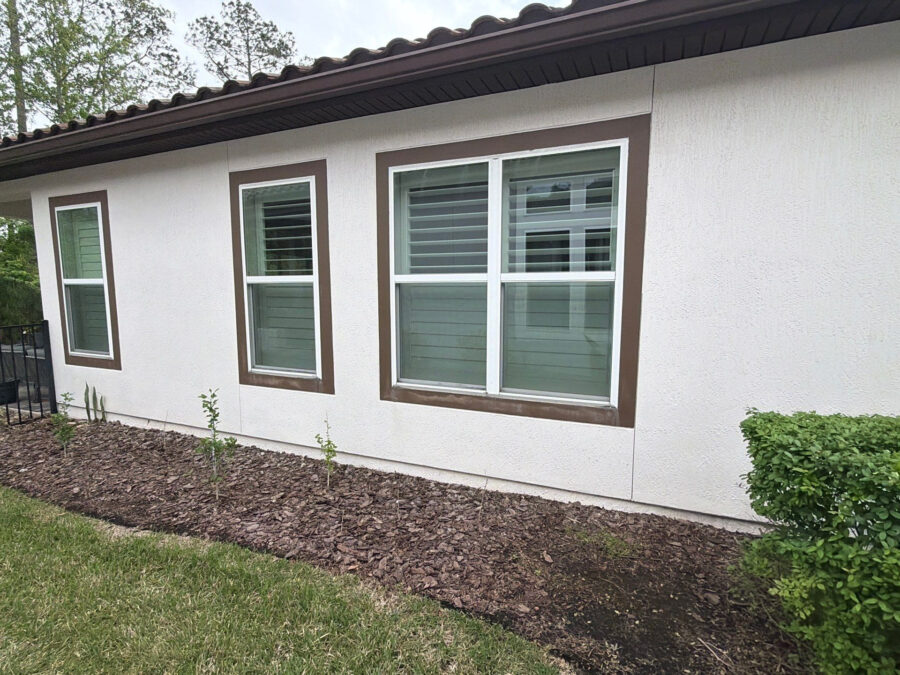
Elastomeric Paint vs. Standard Paint: Key Differences
- Film thickness: Elastomeric coatings build up to 10 to 20+ mils, while standard paint typically dries to just 2 to 5 mils.
- Flexibility: Elastomeric paint bridges hairline cracks as the surface moves. Standard paint has little give and tends to crack right along with the substrate.
- Waterproofing: Elastomeric coatings form a sealed, waterproof membrane. Standard paint is more permeable and offers less protection against wind-driven rain.
- Typical surfaces: Elastomeric paint is suited to stucco, masonry, and EIFS. Standard paint works well on wood, drywall, siding, and stucco that is already in good condition.
- Upfront cost: Elastomeric paint costs more per gallon and often requires multiple coats, while standard paint is generally less expensive.
- Lifespan: Elastomeric coatings tend to last longer, especially in harsh coastal climates, while standard paint typically needs recoating sooner under the same conditions.
None of this works, though, if the surface underneath is not prepped correctly. Elastomeric paint needs a clean, sound, properly repaired substrate to bond and perform as intended, and that includes sealing gaps around windows, doors, and joints before any coating goes on. This is why our exterior caulking professionals work alongside the painting crew, since meticulous surface preparation is such a core part of how we approach every project, whether we are using standard paint or a specialty coating.
How Much Does Elastomeric Paint Cost?
There is no single number that applies to every project, since cost depends on several factors:
- Square footage of the surface being coated
- Current condition of the stucco or masonry, including how much repair is needed first
- Number of coats required for full performance
- Prep work involved, such as pressure washing and crack repair
- Accessibility of the building, which matters more on larger commercial or multi-story properties
Pairing elastomeric coatings with routine exterior maintenance services also helps catch small issues before they turn into costly repairs. If you want an accurate number for your specific building, request a free estimate, and we will walk your property, assess the surface, and give you a transparent, itemized quote.
Is Elastomeric Paint Right for Your Property?
A few signs suggest it is worth having a professional take a look:
- Visible cracking in your stucco, even if it seems minor
- A history of water intrusion or staining on interior walls near exterior surfaces
- An older commercial building that has not been recoated in years
- A coastal location exposed to salt air and wind-driven rain
If any of that sounds like your building, the best move is a professional assessment rather than guessing at products online or relying on generic recommendations from a retail store.
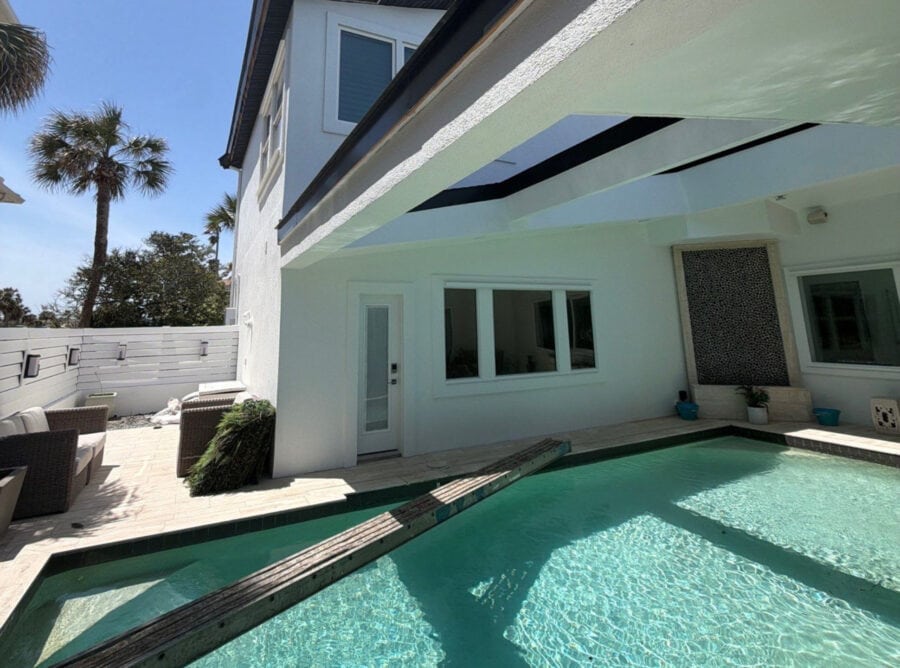
Why Work With Bright Side Painting for Elastomeric Coatings
Specialty coatings only perform as well as the team applying them. As local stucco and coatings experts who also handle repair work in-house, this is what you can expect:
- Full-time, trained employees: We do not hire subcontractors, so the same experienced team that quotes your project is the one doing the work.
- Meticulous surface preparation: Since elastomeric coatings depend entirely on proper prep to perform, we take the time to clean, repair, and prepare every surface correctly before applying any coating.
- Materials science expertise: Our background in coatings and failure analysis means we can identify the right solution for your specific building, rather than applying a one-size-fits-all product.
- Locally owned and operated: We have served Duval and St. Johns counties since 2013 and understand how Jacksonville’s climate affects local buildings.
- Transparent quotes and scheduling guarantee: You will know the full cost upfront and exactly when your project will be completed.
- 1-year contractor warranty: We stand behind our workmanship for one full year after the final walkthrough. If an issue related to our completed work comes up during that time, our team will review it and work to make it right.
Protect Your Property With Expert Elastomeric Coating
Whether you’re dealing with recurring stucco cracks, an aging commercial facade, or a coastal property that’s taking a beating from salt air, elastomeric coatings are only as good as the prep and application behind them. Our team handles the repair, caulking, and coating in-house, so nothing falls through the cracks, literally. Request a free estimate today, and we’ll assess your property and give you a straightforward, itemized quote. Call us at 904-955-7351 or request a quote online to get started.
Frequently Asked Questions
How long does elastomeric paint last?
Elastomeric coatings generally last longer than standard paint, often in the range of 10 years or more, depending on the product, application quality, and how much exposure the building gets to sun, salt air, and moisture.
Can elastomeric paint be applied over existing paint?
In many cases, yes, as long as the existing paint is in sound condition and properly prepped. A professional assessment is the best way to confirm whether your current surface is a good candidate.
Does elastomeric paint work on wood or vinyl siding?
Elastomeric paint is designed primarily for stucco, masonry, and concrete. It is generally not recommended for wood or vinyl siding, which move and expand differently and are better suited to standard exterior paint products.